Introduction
Across Asia, financial systems are undergoing rapid digital transformation. Among the regions experiencing the most dynamic evolution is Southeast Asia—specifically the Philippines, where digital payments are reshaping how people transfer money, shop, save, and manage daily financial activities. As the 菲律宾支付 ecosystem expands, decision-makers and innovators increasingly look to India for guidance, studying how the evolution of indian currency created one of the world’s most advanced digital payment infrastructures.
- Introduction
- The Foundation of the Philippines Payment Ecosystem
- Understanding Indian Currency Digitization: A Blueprint for Transformation
- Philippines Payment Tools Explained in Detail
- Lessons from Indian Currency Digitization for Improving Philippines Payment Tools
- Comparing User Behavior in Both Countries
- The Future of Philippines Payment Tools Guided by Indian Insights
- Conclusion
India’s journey—from cash-heavy markets to widespread mobile payments, QR systems, real-time transfers, and digital wallets—offers valuable insights for the Philippines. By examining how Indian currency became deeply integrated with modern digital channels, we can clarify how the Philippines can accelerate its own growth through well-designed payment tools and strategic regulatory support.
This comprehensive guide explains key philippines payment tools, their functions, challenges, and future direction—while highlighting critical lessons learned from the digitization of indian currency.
The Foundation of the Philippines Payment Ecosystem
The philippines payment landscape has transformed rapidly within the past decade. Traditional cash transactions still dominate certain regions, but digital tools and online solutions now play a central role in everyday life.
Core Elements of the Philippines Payment System
- Digital Wallets – GCash, Maya, and other platforms simplify transactions for millions.
- QR Ph – A unified QR code framework for interoperable payments.
- Bank Transfers – InstaPay and PESONet enable real-time or batch transactions.
- Bill Payments – Digital systems allow users to pay utilities, tuition, and government fees online.
- E-commerce Payments – Online platforms rely heavily on mobile wallets and online banking.
- Remittance Tools – Overseas Filipino workers use various digital channels to send money home.
Together, these tools build the infrastructure required for a modern, efficient financial ecosystem. Yet, the question remains: How can the Philippines strengthen these tools even further?
The answer lies in the evolution of indian currency digitization.
Understanding Indian Currency Digitization: A Blueprint for Transformation
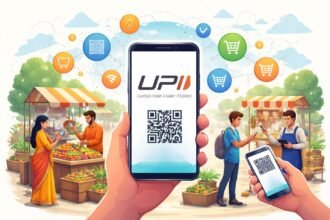
India once relied heavily on cash. But within a short period, digital payments surged, with nearly every citizen—urban or rural—participating in the new ecosystem.
Key Phases of Indian Currency Digitization
- Digitizing banking services
- Introduction of mobile wallets
- Unified Payments Interface (UPI) revolution
- Nationwide QR code standardization
- Government-backed identity verification systems
- Integration of rural and urban financial frameworks
These phases did not replace indian currency; instead, they enhanced its usability, accessibility, and efficiency. The same approach can significantly benefit the philippines payment system.
Philippines Payment Tools Explained in Detail
To understand how Indian insights apply, we must explore each major payment tool used in the Philippines, its purpose, strengths, and opportunities for improvement.
Digital Wallets
What They Are
Digital wallets in the Philippines are mobile-based platforms that allow users to:
- send and receive money
- pay bills
- purchase goods
- access financial services
Popular Wallets
- GCash
- Maya
- ShopeePay
- GrabPay
Strengths
- Easy onboarding
- High adoption across young users
- Integration with e-commerce
- Accessibility for unbanked individuals
Weaknesses
- Limited interoperability
- Occasional service downtime
- Reliance on mobile connectivity
Lessons from Indian Currency Digitization
India improved wallet adoption by making wallets interoperable and connecting them with banks seamlessly. For the Philippines, deeper integration among wallets and bank accounts would make the philippines payment environment more fluid and efficient.
Bank Transfer Systems: InstaPay and PESONet
What They Are
These are the Philippines’ primary electronic fund transfer (EFT) rails:
- InstaPay – real-time small-value transfers
- PESONet – batch processing for larger transactions
Strengths
- Faster bank-to-bank movement
- Lower costs than traditional systems
- Widely accepted across financial institutions
Weaknesses
- Not always instant for certain banks
- Higher fees compared to India’s free transfer model
Indian Currency Lesson
India’s UPI demonstrated that zero-fee instant transfers accelerate adoption dramatically. Reducing transaction costs could significantly improve the philippines payment ecosystem.
QR Ph – The Unified QR Code System
What It Is
QR Ph is a simplified and standardized QR payment framework. It allows:
- merchants to accept payments from any compliant wallet or bank
- consumers to scan one QR code regardless of provider
Strengths
- Cleaner merchant experience
- Better interoperability
- Encourages small business adoption
Weaknesses
- Not yet universal across rural areas
- Merchants still learning how to integrate QR tools
Indian Currency Lesson
India’s QR adoption grew massively once the simplest merchants—street vendors—began using it. The Philippines must expand outreach and training to merchants to boost QR Ph penetration.
Bill Payment Systems
What They Are
Platforms that allow users to pay:
- utilities
- tuition
- government fees
- loans
- subscriptions
Strengths
- Convenience
- Avoids long queues
- Encourages digital habit formation
Weaknesses
- Some billers still require manual updates
- Inconsistent integration across wallets
Indian Currency Lesson
India streamlined bill payments by centralizing and automating biller integration. The Philippines can adopt similar automation to reduce discrepancies and user frustration.
Remittance Platforms
The Philippines is one of the world’s largest remittance recipients. Remittances play a crucial role in economic stability.
Strengths
- Fast remittance-to-wallet transfers
- Partnerships across global platforms
- Lower remittance fees compared to older methods
Weaknesses
- Not all remittance services integrate with local payment wallets
- Manual claims remain common for remote regions
Indian Currency Lesson
India digitized inward remittances by integrating banks, wallets, and government systems under unified platforms. The Philippines can streamline and link all remittance channels more efficiently.
Lessons from Indian Currency Digitization for Improving Philippines Payment Tools
Now that the key tools are explained, it’s time to highlight how the Philippines can strengthen them using lessons from indian currency transformation.
Build a Stronger Interoperability Framework
India’s payment success relies heavily on seamless movement between banks, wallets, apps, and merchants.
What the Philippines Can Do
- push for universal wallet-to-wallet transfers
- expand QR Ph adoption
- integrate foreign remittance platforms directly
- develop open banking standards
Interoperability makes a philippines payment system more accessible and user-friendly.
Reduce Transaction Fees
Indian systems often allow free real-time transfers, which encouraged massive usage.
Philippine Opportunity
If fees were:
- reduced
- standardized
- or subsidized
then digital adoption would increase significantly.
Increase Merchant Penetration
India proved that digital adoption skyrockets when small merchants—vendors, sari-sari store equivalents, market sellers—embrace digital payments.
Steps for the Philippines
- promote affordable merchant onboarding
- educate small businesses
- provide incentives for QR acceptance
- support informal sellers
Expanding merchant usage strengthens the entire philippines payment infrastructure.
Enhance Security and Identity Verification
Indian currency digitization benefited from strong identity frameworks, reducing fraud and increasing trust.
Philippine Application
- strengthen identity checks
- enhance digital fraud detection
- develop secure authentication tools
- promote user awareness programs
Encourage Innovation Through Regulation
India’s regulators allowed fintech companies to experiment through controlled environments and open-API access.
The Philippines Should Consider
- fintech sandboxes
- updated digital banking laws
- consumer protection guidelines
- flexible innovation-friendly regulations
A supportive regulatory climate fuels technological growth.
Comparing User Behavior in Both Countries
Philippines Users Tend To:
- favor mobile wallets
- rely heavily on remittances
- use digital tools for small payments
- prefer easy onboarding
Indian Users Tend To:
- trust UPI for instant transfers
- rely on digital payments even in rural areas
- use QR codes extensively
- prefer low-cost options
What the Philippines Can Learn
User behavior improves dramatically when tools are:
- simple
- fast
- affordable
- accepted everywhere
These principles define the success of indian currency digitization and can guide the evolution of philippines payment.
The Future of Philippines Payment Tools Guided by Indian Insights
By following India’s example, the Philippines can achieve major breakthroughs.
Expect More Real-Time Payment Innovations
Faster rails will become the norm, reducing delays and improving transaction predictability.
Digital Wallets Will Evolve Into Financial Super Apps
Following India’s lead, Philippine wallets may introduce:
- credit scoring
- small loans
- investing
- insurance
- lifestyle features
Merchant Acceptance Will Become Nearly Universal
Over time:
- sari-sari stores
- night market vendors
- transport operators
will rely heavily on QR Ph and mobile payments.
Remittance Integration Will Become Seamless
Lessons from India can help reduce remittance fees and automate verification, enhancing the country’s position as a global remittance hub.
Digital Peso Possibilities Will Expand
As India experiments with a digital rupee, the Philippines may follow with:
- central bank digital currency tests
- blockchain-based transaction layers
- government-supported digital systems
Conclusion
The digitization of 印度货币 is one of the most influential financial transformations in modern Asia. Its impact extends far beyond India’s borders, offering a clear roadmap for countries seeking to strengthen their digital infrastructures—especially the Philippines.
By applying lessons from India’s rapid evolution, the philippines payment ecosystem can become more:
- interoperable
- inclusive
- secure
- efficient
- innovative
Digital wallets, QR frameworks, bank transfers, and remittance tools will all benefit as the Philippines continues embracing modern financial technology.
As global and regional markets evolve, the Philippines stands at the threshold of a powerful digital future—one shaped by innovation, collaboration, and the insights learned from India’s experience.