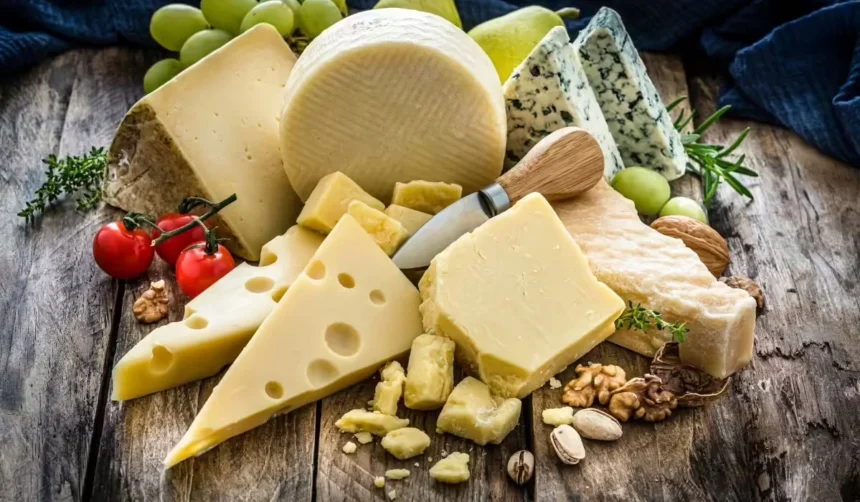
If you’ve ever wondered what makes grouse cheese so unique, you’re in for a treat. This remarkable cheese has gained attention among food lovers, chefs, and health-conscious eaters alike. In this comprehensive guide, we’ll dive deep into everything you need to know about grouse cheese — from its origin and flavor profile to its nutritional value, recipes, and pairing suggestions. Whether you’re a cheese enthusiast or a casual foodie, this 5,000+ word exploration will uncover all the secrets behind the delicious world of grouse cheese.
- What Is Grouse Cheese?
- The Origin and History of Grouse Cheese
- How Grouse Cheese Is Made
- The Taste Profile of Grouse Cheese
- Nutritional Value of Grouse Cheese
- Perfect Pairings for Grouse Cheese
- Delicious Recipes Using Grouse Cheese
- Health Benefits of Grouse Cheese
- Grouse Cheese Around the World
- How to Store Grouse Cheese
- Common Questions About Grouse Cheese
- Sustainability and Grouse Cheese
- Why Grouse Cheese Deserves a Place in Your Kitchen
- Conclusion: The Legacy of Grouse Cheese
What Is Grouse Cheese?
Grouse cheese is a rare and artisanal variety of cheese that combines the earthy essence of traditional cheese-making with a touch of wild game-inspired flavor. It’s often praised for its smooth texture, rich aroma, and distinctive taste that balances between creamy and slightly tangy notes.
Unlike conventional cheeses made purely from cow’s, goat’s, or sheep’s milk, grouse cheese is typically infused or aged in a way that mimics the hearty and gamey flavor profile of grouse — a wild bird known for its unique taste in fine dining. This process creates a cheese that stands out on charcuterie boards and gourmet dishes.
The Origin and History of Grouse Cheese
The Early Beginnings
The history of grouse chee se can be traced back to rural European regions where hunters and farmers experimented with blending game meat flavors into dairy-based products. Over time, these experiments evolved into unique cheese varieties, one of which became known as grouse chee se.
The original cheesemakers discovered that infusing certain aging environments with herbs, smoked wood, or even dried grouse meat added an extraordinary depth of flavor. This traditional practice led to the birth of grouse chee se, which became a delicacy among nobility and culinary enthusiasts.
The Modern Revival
In recent years, grouse chee se has made a comeback, thanks to the rise of artisanal food culture. Small dairies and gourmet brands have revived old recipes, introducing grouse chee se to new audiences who crave authenticity and craftsmanship in their food.
How Grouse Cheese Is Made
Step 1: Milk Selection
The process begins with selecting high-quality milk, often from grass-fed cows or goats. The milk serves as the base for grouse chee se, providing a rich and creamy texture.
Step 2: Curdling and Culturing
Starter cultures and natural rennet are added to the milk to initiate curdling. This forms the curds and whey — the foundation of any good cheese.
Step 3: Flavor Infusion
This is where grouse chee se takes a unique turn. During the aging or curing phase, the cheese is infused with natural herbs, smoked elements, or aging conditions designed to emulate the flavor of wild grouse. The result is a distinctively rich, earthy, and aromatic cheese.
Step 4: Aging and Refinement
Depending on the desired flavor, grouse chee se may be aged anywhere from a few weeks to several months. The longer it ages, the more complex and bold its flavor becomes.
The Taste Profile of Grouse Cheese
When you first taste grouse chee se, you’ll notice a balance of creaminess and tang, accompanied by subtle smoky undertones. The flavor can be described as:
- Earthy and nutty, with a touch of natural sweetness
- Slightly gamey, reminiscent of roasted grouse
- Smooth and buttery, yet firm in texture
- Rich aroma, making it perfect for wine pairings
Whether enjoyed on crackers, in pasta dishes, or as part of a charcuterie board, grouse chee se always leaves a lasting impression.
Nutritional Value of Grouse Cheese
Grouse chee se is not just a treat for your taste buds — it’s also packed with nutrients. Here’s a breakdown of its typical nutritional profile (per 100 grams):
- Calories: 320–350 kcal
- Protein: 20–25g
- Fat: 25–28g
- Calcium: High
- Vitamin B12: Rich source
- Probiotics: Present in aged varieties
Because of its rich protein and calcium content, grouse chee se supports bone health, muscle repair, and overall immune function.
Perfect Pairings for Grouse Cheese
1. Wines
- Red Wine: Pinot Noir or Merlot complement the earthy tones of grouse chee se.
- White Wine: Chardonnay and Sauvignon Blanc enhance its creamy flavor.
2. Fruits
- Figs, pears, and grapes balance the richness of grouse chee se with natural sweetness.
3. Bread and Crackers
Serve grouse chee se with rustic bread or multigrain crackers for an irresistible texture contrast.
4. Meat and Charcuterie
Pairing grouse chee se with cured meats like prosciutto or smoked turkey enhances its savory depth.
Delicious Recipes Using Grouse Cheese
1. Grouse Cheese Salad
Ingredients:
- Mixed greens
- Cherry tomatoes
- Sliced cucumbers
- Shredded grouse chee se
- Olive oil and balsamic vinegar
Instructions:
Combine all ingredients, toss lightly, and top with a generous layer of grouse chee se. The creamy tang elevates the entire dish.
2. Grouse Cheese Pasta
Ingredients:
- Fettuccine pasta
- Garlic and olive oil
- Cream sauce
- Grated grouse chee se
Instructions:
Cook pasta, mix with sauce, and sprinkle grouse chee se on top before serving. It melts beautifully, adding a gourmet flair.
3. Grouse Cheese Toast
Spread butter on sourdough bread, top it with slices of grouse chee se, and toast until golden brown. Add a drizzle of honey for a sweet-savory finish.
4. Grouse Cheese Soup
Blend grouse chee se with potatoes, cream, and herbs for a velvety soup that’s both hearty and flavorful.
Health Benefits of Grouse Cheese
- High in Protein: Supports muscle repair and energy.
- Rich in Calcium: Essential for strong bones and teeth.
- Probiotic Support: Improves gut health.
- Vitamin Source: Offers B12 and A for better metabolism.
- Mood Booster: Cheese contains compounds that enhance mood and relaxation.
Adding grouse cheese to your diet in moderation can be both enjoyable and nutritious.
Grouse Cheese Around the World
While grouse chee se originated in Europe, it’s now found in artisanal cheese markets globally. From North America to Asia, gourmet enthusiasts have embraced it for its rich flavor and adaptability.
Countries like France, Italy, and the UK have developed their own variations of grouse chee se, often infused with regional herbs or aged in local cellars to add character.
How to Store Grouse Cheese
Proper storage ensures your grouse chee se retains its texture and taste.
- Refrigerate: Keep at 35–45°F.
- Wrap Properly: Use wax paper or cheese paper, not plastic.
- Avoid Moisture: Store in a dry cheese drawer.
- Serve at Room Temperature: Allow 20 minutes before eating for best flavor.
Common Questions About Grouse Cheese
Q1: Is grouse cheese real or just a specialty flavor?
Yes, grouse chee se is a genuine artisanal cheese variety that blends traditional cheesemaking with unique flavor processes inspired by wild grouse.
Q2: Can lactose-intolerant people eat grouse cheese?
Aged grouse chee se has lower lactose levels and may be easier to digest, but always consult your doctor first.
Q3: How can I buy authentic grouse cheese?
Look for specialty food stores, farmers’ markets, or online artisanal cheese shops that clearly label grouse chee se.
Q4: Is grouse cheese expensive?
Because it’s handcrafted and limited in production, grouse chee se can be pricier than regular cheeses, but the flavor justifies the cost.
Sustainability and Grouse Cheese
The best grouse cheese producers focus on sustainability — using ethically sourced milk, eco-friendly packaging, and traditional aging methods that minimize waste. Supporting these brands ensures that the art of grouse chee se making continues responsibly.
Why Grouse Cheese Deserves a Place in Your Kitchen
In a world filled with ordinary cheese options, grouse chee se stands out for its bold flavor, creamy texture, and versatility. Whether you’re preparing gourmet dishes, entertaining guests, or simply enjoying a quiet night with wine and cheese, grouse chee se transforms the experience into something extraordinary.
Conclusion: The Legacy of Grouse Cheese
Grouse cheese isn’t just food—it’s a symbol of craftsmanship, flavor innovation, and culinary heritage. From its origins in traditional cheesemaking to its modern-day revival, it has become a beloved ingredient for foodies worldwide.
So next time you’re exploring artisanal cheeses, don’t hesitate to reach for grouse cheese. Its rich, earthy flavor and health benefits make it a perfect addition to your table. Whether melted over pasta, sprinkled in salads, or paired with fine wine, grouse cheese will always add that touch of gourmet magic you’ve been looking for.